
Noticing More Hair Shedding This Fall? When to Consider PRP Hair Restoration
- Some extra hair shedding in late summer and fall may be related to seasonal hair-growth cycles, and temporary shedding doesn’t always require treatment.
- If shedding continues, your part is widening, or your hair feels noticeably thinner, it’s worth checking for causes such as stress, hormonal changes, nutritional deficiencies, or hereditary hair loss.
- PRP hair restoration may help people with certain types of ongoing hair thinning, but it isn’t automatically necessary or effective for ordinary seasonal shedding.
Is It Normal to Shed More Hair in the Fall?
Yes. Research suggests that human hair growth can follow seasonal patterns, with more follicles entering the resting phase during summer. That may explain why some people notice extra shedding in late summer or early fall.
Maybe you’ve noticed more hair collecting in your shower drain or coming out when you brush. It can feel concerning, especially if your usual routine hasn’t changed.
A study examining seasonal hair shedding in 823 women found that the proportion of hairs in the resting, or telogen, phase peaked during summer and was lowest in late winter.
Because resting hairs are eventually shed, this pattern may contribute to increased hair fall in the following weeks.
However, seasonal shedding isn’t a universal experience, and autumn isn’t automatically responsible for every change in hair density.
How Can You Tell Seasonal Hair Shedding From Hair Loss?
Seasonal shedding generally involves a temporary increase in hair fall without progressive thinning. Ongoing hair loss is more concerning when you notice a widening part, reduced fullness, a receding hairline, or more scalp becoming visible.
According to the American Academy of Dermatology, losing approximately 50 to 100 hairs daily is normal. But most people aren’t counting individual strands, and they don’t need to.
Instead, pay attention to changes from your usual pattern.
Does your ponytail feel noticeably smaller? Are you seeing more scalp in photos? Is the shedding continuing even after several weeks?
Those changes can tell you more than the number of hairs left in your brush on any particular morning.
What Else Can Cause Sudden Hair Shedding?
Stress, illness, rapid weight loss, hormonal shifts, nutritional deficiencies, and certain medications can all contribute to increased shedding. One common cause is telogen effluvium, which occurs when more hairs than usual enter the resting phase.
What makes telogen effluvium confusing is the delay.
You might experience a stressful event, illness, or significant weight change in July and not notice increased shedding until September or October.
That timing can make it easy to blame the season when something else triggered the change.
Rapid weight loss is another potential contributor. GLP-1 side effects, as well as significant changes in weight and nutritional intake, can sometimes be accompanied by temporary hair shedding.
Other possibilities include thyroid conditions, iron deficiency, postpartum hormonal changes, and hereditary pattern hair loss.
The cause matters because different types of hair loss need different approaches.
When Should You Get Hair Shedding Checked?
Hair shedding deserves a medical evaluation when it becomes severe, continues for several months, causes visible thinning, or comes with scalp irritation, pain, or bald patches.
A dermatologist or other qualified medical provider can review your health history, medications, recent changes, and pattern of hair loss. Depending on your symptoms, they may recommend blood tests or a closer scalp examination.
Some shedding resolves after the underlying trigger is addressed. Other conditions, particularly hereditary hair thinning, may benefit from earlier intervention.
Identifying the cause is more useful than immediately trying another supplement, serum, or treatment.
Can PRP Help With Fall Hair Shedding?
PRP therapy may help when increased shedding is accompanied by an underlying pattern of hair thinning, particularly androgenetic alopecia. However, there’s limited evidence that PRP is needed for uncomplicated seasonal shedding or temporary telogen effluvium.
This is an important distinction.
If you’re shedding more hair than usual but your overall density remains stable, your follicles may simply be moving through a temporary cycle.
If your part has gradually widened, your crown looks thinner, or individual hairs seem finer over time, there may be an ongoing condition worth treating.
PRP isn’t intended to stop every normal hair from shedding. Its potential value lies in supporting follicles that may still respond to treatment.
That’s why assessing the type of hair loss should come before deciding whether PRP makes sense.
How Does PRP Hair Restoration Work?
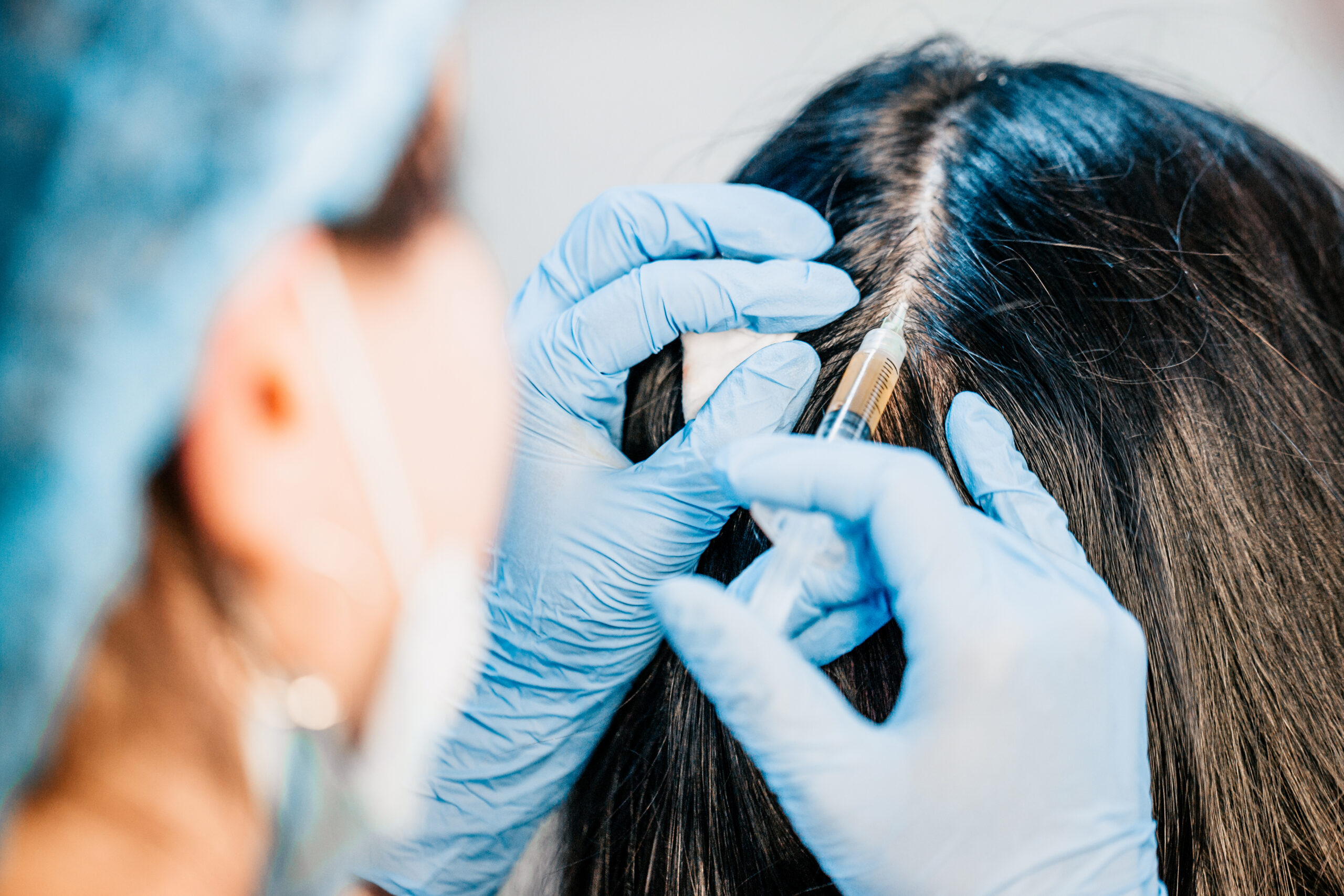
PRP hair restoration uses platelet-rich plasma prepared from a sample of your own blood. The concentrated plasma is injected into targeted areas of the scalp, where platelet-derived growth factors may help support follicle activity and hair growth.
The process begins with a blood draw. The sample is processed to separate the platelet-rich portion, which is then used in areas experiencing thinning.
At Kintsu MedSpa & Wellness, PRP hair restoration offers a nonsurgical option for patients looking to address hair thinning.
Because the treatment uses injections, some temporary scalp redness, tenderness, or swelling can occur afterward. Most people can return to their usual activities relatively quickly.
What Does the Research Say About PRP for Thinning Hair?
Clinical research suggests PRP can improve hair density in some patients with hair loss, especially pattern hair loss. However, results vary, and researchers haven’t established one universally effective preparation or treatment schedule.
A 2025 systematic review and meta-analysis examined 43 randomized controlled trials involving 1,877 participants. Researchers found that activated PRP improved hair density compared with placebo, although the overall analysis did not demonstrate a significant improvement in hair thickness.
A smaller 2020 randomized trial involving 30 women with pattern hair loss also reported encouraging findings. At 24 weeks, 57% of PRP-treated participants showed improvement in blinded photographic assessments, compared with 7% in the saline group.
These results are promising, but they don’t guarantee that every patient will respond. They also shouldn’t be interpreted as evidence that PRP prevents normal autumn shedding.
The strongest reason to consider PRP is an appropriate hair-loss diagnosis, not the season.
Who Is a Good Candidate for PRP Hair Restoration?
PRP is generally worth discussing when someone has early or moderate pattern hair thinning and follicles that may still respond to treatment.
This can include men or women noticing gradually reduced density, a widening part, or hereditary thinning.
It may be less useful when hair loss is caused by an untreated medical condition, a nutritional deficiency, or permanent follicle damage.
People experiencing sudden bald patches, scalp inflammation, or suspected scarring hair loss should seek condition-specific medical evaluation first.
PRP may also complement other evidence-based hair-loss treatments rather than replacing them. The best approach depends on your diagnosis, medical history, and goals.
How Soon Can You Expect Results From PRP Hair Restoration?
PRP results usually take several months to develop because hair follicles need time to respond and produce visible growth. A series of sessions is commonly recommended rather than a single treatment.
Clinical protocols often begin with approximately three treatments spaced around a month apart, although schedules vary and should be personalized.
You may notice changes in shedding or density gradually, but visible improvements aren’t immediate. Some patients also need maintenance treatments to support their results.
Your provider should explain the expected timeline, potential side effects, and how progress will be assessed before treatment begins.
When Fall Shedding Deserves a Closer Look
Seeing more hair in your brush this fall doesn’t necessarily mean you’re experiencing permanent hair loss. But persistent shedding, a widening part, or noticeable changes in density deserve a closer look.
At Kintsu MedSpa & Wellness, we help patients explore personalized hair restoration options, including PRP when appropriate.
Book an appointment at Kintsu MedSpa & Wellness in Berkeley or Davis to discuss your hair concerns and whether PRP hair restoration may be right for you.