
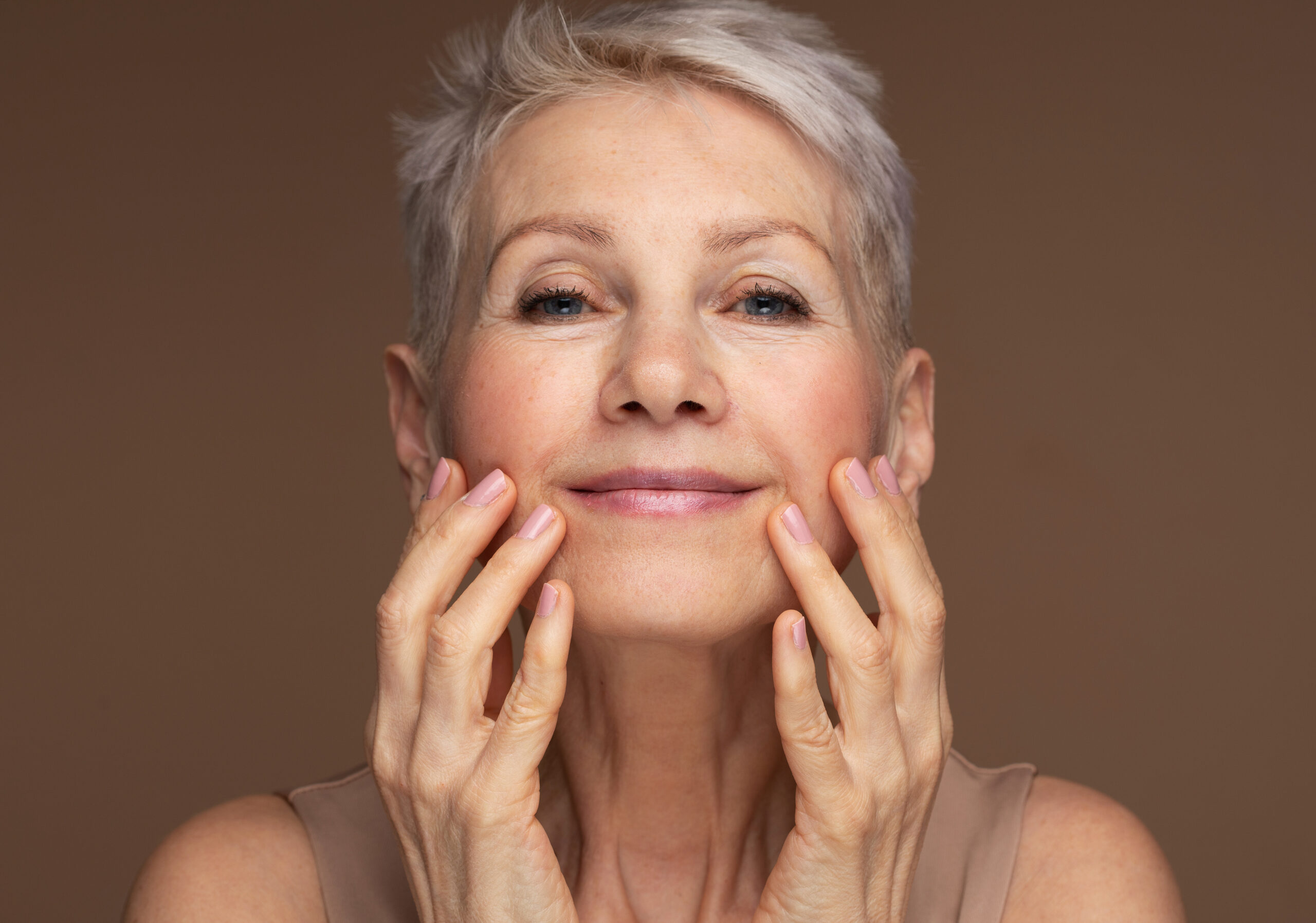
How Hormones Affect Skin Aging (Especially in Perimenopause and Menopause)
- Estrogen decline during perimenopause and menopause leads to visible skin changes, including dryness, fine lines, loss of firmness, and slower healing.
- These shifts often begin in your late 30s or early 40s and accelerate during menopause, affecting collagen, hydration, and skin elasticity.
- Professional treatments, such as microneedling, laser facials, and skin tightening, combined with retinoids, peptides, and SPF, can help restore bounce, clarity, and a radiant glow.
What Hormones Play a Role in Skin Aging?
We often blame aging for skin changes, but hormones play a bigger role. Dryness, sagging, and dullness often stem from menopause.
The key hormones that influence skin health are:
Estrogen
Estrogen is the foundation of youthful skin. It supports collagen production, skin thickness, elasticity, and hydration. When estrogen levels decline (as they do in perimenopause and menopause), skin becomes thinner, drier, less firm, and more prone to fine lines and sagging. Even that healthy, radiant glow tends to fade.
Progesterone
Often overshadowed by estrogen, progesterone also helps regulate oil production and maintain the skin’s softness and balance. As progesterone levels drop, you may notice drier skin, increased sensitivity, or even flare-ups in conditions like eczema or rosacea.
Testosterone
While it’s present in much lower levels in women, testosterone still matters. It contributes to skin density and sebum (oil) production. Too much can lead to acne or congestion, while too little can result in thinning, dullness, and a loss of tone, especially along the jawline.
Cortisol
Known as the stress hormone, cortisol is catabolic, which means it breaks down tissues, including collagen. Chronic stress elevates cortisol, which accelerates aging by increasing inflammation, dulling the skin, and slowing repair and regeneration.
Insulin
Blood sugar spikes and insulin resistance can increase inflammation in the body, which shows up in the skin as breakouts, redness, and impaired healing. Hormonal shifts in midlife can make your body more sensitive to sugar, even if your diet hasn’t changed.
How Hormonal Decline Affects the Skin
Hormonal aging doesn’t happen overnight, but when estrogen, progesterone, and other key hormones begin to dip, the effects on your skin can feel surprisingly fast. What was once soft, firm, and glowing may start to feel thinner, drier, or less responsive to your usual skincare routine.
Even if you’re taking good care of your skin, these internal shifts change how your skin functions on a cellular level. You might start to notice:
- Loss of firmness and elasticity – Skin feels looser, especially around the jawline and cheeks, as collagen and elastin levels drop.
- Increased dryness or dehydration – Skin starts to feel tight or flaky due to reduced oil production and a weaker moisture barrier.
- More visible fine lines and crepiness – Collagen loss leads to thinner skin and more pronounced texture, especially under the eyes and around the mouth.
- Thinner, more fragile skin overall – Your skin becomes more delicate, with slower healing and increased sensitivity.
- Dullness and uneven tone – Cell turnover slows down, making skin look less radiant and more uneven in texture or color.
- Sudden breakouts or oil imbalance – Shifts in progesterone and testosterone can trigger hormonal acne, even if you’ve never had it before.
- Redness or inflammation – A weakened barrier and increased inflammation may lead to sensitivity, flushing, or rosacea-like symptoms.
When Do Hormonal Skin Changes Typically Begin?
For many women, hormonal skin changes begin long before menopause. In fact, the process often starts during perimenopause, which is the transitional phase that can begin as early as your mid-to-late 30s and last for several years before menopause.
During this time, estrogen and progesterone levels begin to fluctuate unpredictably. These shifts don’t just affect your cycle or mood, they directly impact your skin’s texture, hydration, and ability to renew itself. You may notice that your usual skincare stops working, or that your skin suddenly feels drier, more sensitive, or less firm.
Most women enter full menopause around age 51 (defined as 12 consecutive months without a period), but the visible skin changes often start 5–10 years earlier during perimenopause.
Some common signs that hormonal skin aging may be starting include:
- Increased dryness or irritation despite no change in products
- Dullness or slower healing
- New breakouts in the lower face or jawline
- More noticeable fine lines or volume loss
The Best Treatments for Hormonal Skin Aging
When your skin starts responding differently in your 40s and beyond, it’s often a sign that hormone levels are shifting beneath the surface. With the right professional treatments, it’s possible to restore firmness, smoothness, and glow in a way that looks natural.
At Kintsu MedSpa & Wellness, we focus on results-driven treatments that support your skin’s structure, collagen production, and hydration.
Here are some of our top options:
- Microneedling boosts collagen and skin regeneration to improve texture, fine lines, and tone, which is especially helpful as your skin’s repair process begins to slow.
- Sofwave uses ultrasound to stimulate deep collagen production and gently lift areas like the cheeks, jawline, or neck without downtime.
- Laser resurfacing targets sun damage, redness, and uneven tone while improving skin smoothness – ideal for skin that looks dull or blotchy as hormone levels decline.
- Chemical peels help speed up cell turnover, reduce dullness, and fade pigmentation. This is a great option when your skin’s natural renewal slows in perimenopause.
- Botox softens dynamic lines caused by repetitive muscle movement (like crow’s feet or forehead lines) before they become deeper static wrinkles.
- Cosmetic fillers gradually rebuild volume and stimulate collagen in areas affected by volume loss, such as the cheeks, temples, and jawline.
Daily Habits That Help Support Skin Through Hormonal Shifts
The right treatments can make a big difference, but how you care for your skin every day matters just as much. These habits can help preserve collagen, protect your skin microbiome, and keep your complexion hydrated, firm, and resilient through every phase of perimenopause and menopause.
- Wear SPF daily – UV damage accelerates collagen breakdown and pigment changes. Use a broad-spectrum SPF 30 or higher every single day, rain or shine.
- Use a gentle cleanser – Avoid stripping your skin. Opt for a non-foaming or hydrating cleanser that protects your barrier while removing buildup.
- Use a retinoid or retinol – Supports collagen production and cell turnover, both of which naturally slow down with hormonal shifts. Start slow if you’re new.
- Layer in peptides and ceramides – These ingredients help replenish moisture and strengthen the skin’s barrier, which is critical as estrogen declines.
- Hydrate from the inside and out – Drink water consistently, and use a hyaluronic acid serum to help your skin retain hydration throughout the day.
- Add antioxidant protection – Vitamin C serums help combat oxidative stress, improve skin tone, and support collagen.
- Strength train regularly – Exercise improves circulation, supports muscle tone (which helps facial structure), and may even help regulate hormones.
- Prioritize high-quality sleep – Your skin repairs itself overnight. Aim for 7–9 hours to help with everything from elasticity to inflammation control.
- Eat skin-supportive nutrients – Focus on omega-3s, leafy greens, berries, and collagen-boosting foods to nourish skin from the inside out.
- Manage stress proactively – Chronic stress increases cortisol, which breaks down collagen and worsens inflammation. Yoga, walking, or even deep breathing can help.
Support Your Skin Through Every Hormonal Shift
Hormonal changes are natural, but your skin doesn’t have to suffer. Noticing new textures or dullness? You’re not alone. The right skincare strategy helps you stay confident and ahead.
At Kintsu MedSpa & Wellness, we specialize in helping you understand what your skin is going through and how to care for it with treatments and routines that truly work for this stage of life.
Book a personalized skin treatment and let’s build a plan that supports your skin now and into the next chapter.