
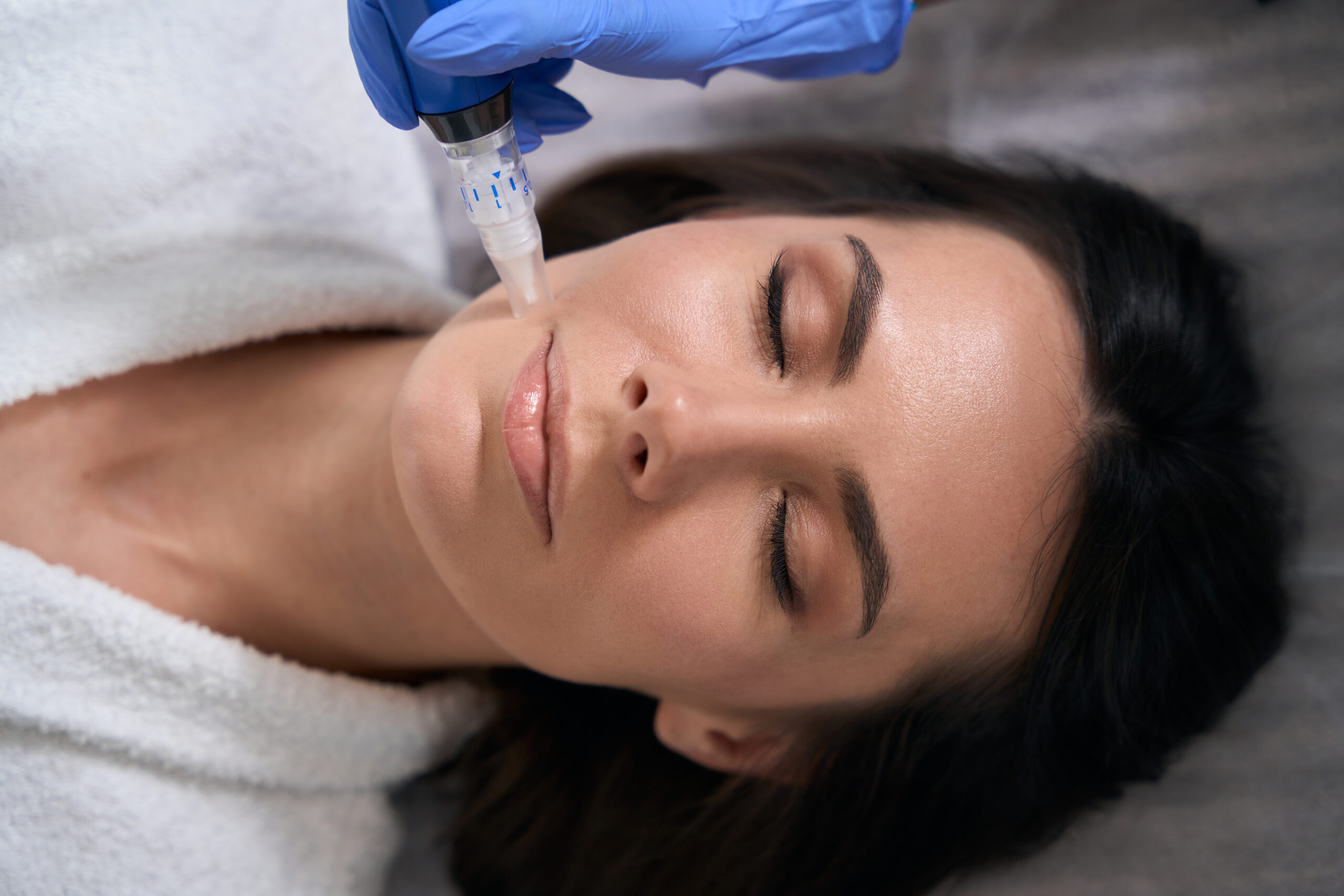
What Should I Know Before Getting Microneedling in Berkeley?
Before getting microneedling in Berkeley or Davis, CA, find out which type of treatment you’re receiving, whether it suits your skin, and what preparation and recovery involve. You should also understand the likely number of sessions, total cost, and risks before committing.
At Kintsu MedSpa & Wellness, we use Vivace RF microneedling. If you’ve been comparing options or wondering whether you’ll feel comfortable returning to work the next day, these are the questions worth bringing to your consultation.
What Is the Difference Between Microneedling and RF Microneedling?
Conventional microneedling uses fine needles to create small, controlled punctures in the skin. The healing response encourages collagen production, which can gradually improve certain scars and texture concerns.
RF microneedling adds radiofrequency energy that produces heat within the tissue. That additional energy changes the treatment, including its potential benefits, risks, and recovery.
Vivace is an RF microneedling device. When comparing Vivace and Morpheus treatments, remember that the device is only part of the decision. Your provider’s assessment, settings, and experience also matter.
Is Microneedling Right for My Skin?
Microneedling may help with acne scars, uneven texture, and fine lines, but your provider needs to examine your skin before recommending it.
Active, inflamed breakouts, an infection, or sunburn may mean postponing treatment. A history of keloids, poor wound healing, or immune suppression also needs discussion. Tell your provider about medications, including isotretinoin and blood thinners, as these can affect treatment decisions.
Your skin tone and history of pigmentation changes matter, too. Ask how your provider assesses these risks and whether they have experience treating skin like yours.
Bring your main concern into the conversation early. Someone seeking improvement in acne scars may need a different plan from someone concerned about fine lines.
How Should I Prepare for My Appointment?
Get preparation instructions before treatment day so you have time to adjust your routine. A photo of your skincare products can make that conversation much easier.
Your checklist should include the following:
- Review your active ingredients. Ask whether to pause retinol, prescription retinoids, exfoliating acids, and scrubs, and get specific stop and restart dates.
- Discuss recent treatments. Mention peels, laser procedures, injectables, and anything else you’ve had done in the treatment area.
- Report skin changes. Let the clinic know about irritation, new breakouts, sunburn, or cold sores before arriving.
- Plan around sun exposure. Discuss upcoming outdoor activities or travel that could make aftercare difficult.
Don’t stop prescribed medication on your own. Your treating clinician should guide any changes, and instructions for one type of microneedling may not apply to another.
Does Microneedling Hurt and What Happens During the Visit?
Numbing cream can make microneedling more comfortable, although it doesn’t guarantee a painless treatment.
At Kintsu MedSpa & Wellness, the microneedling appointment includes a skin assessment and topical numbing before treatment. During the procedure, you may notice pressure, prickling, or warmth. Tell your provider how you’re feeling so they can assess your comfort.
Ask how much time to allow for the entire visit, including consultation, numbing, treatment, and aftercare instructions. The time spent using the device is only one part of the appointment.
Before leaving, make sure you understand which products to use, what to avoid, and whom to contact if you have concerns.
What Should I Expect During Recovery?
Expect some visible skin changes after microneedling, even if you feel well enough to work. Redness, swelling, sensitivity, and dryness can occur, with recovery varying by treatment intensity and individual response.
The American Academy of Dermatology notes that temporary reactions can last a few days to a week. It advises waiting at least 24 hours before applying makeup, although your provider may recommend longer.
Keep aftercare simple and follow your written instructions for cleansing, moisturizing, and sun protection. Ask when you can resume exercise, saunas, and active skincare rather than assuming your usual routine is fine the next morning.
In a 2025 study involving 30 people with acne scars, RF microneedling produced less pain and a shorter recovery than fractional CO₂ laser. Both treatments improved scarring. The study used a specific RF device and protocol, so its findings don’t establish an exact recovery time for Vivace.
If you have an important event coming up, discuss the date before booking.
How Many Sessions Will I Need and When Will I See Results?
You may need a series of treatments, and the number depends on your skin concern, response, and goals. Collagen-related changes develop gradually, so the first few days won’t show your final result.
For Vivace, we typically book sessions four to six weeks apart. Your provider should explain the proposed schedule and when to reassess progress.
Research helps put that timeline in perspective. In a randomized study published in JAMA Dermatology, 15 participants completed three conventional microneedling treatments. They reported an average 41% improvement in scar appearance on the treated side, and investigator-rated scar scores improved significantly from baseline at six months.
That was a small acne-scar study, and the percentage reflects participants’ assessments. It isn’t a promised outcome or a measure of Vivace’s effectiveness, but it supports allowing time to evaluate improvement.
What Risks Should I Discuss With My Provider?
Beyond temporary irritation, microneedling can cause infection, scarring, and changes in pigmentation. RF treatment also introduces risks associated with heat.
In October 2025, the FDA issued a safety communication about certain uses of RF microneedling after reports of serious complications, including burns, scarring, fat loss, and nerve damage.
Before booking, ask who will perform your treatment, what training they have with the device, and how they choose settings for your skin. You can also ask whether a new needle cartridge is used for each session and how complications are managed.
Get clear instructions about symptoms that need medical attention. Severe or worsening pain, blistering, or signs of infection warrant prompt assessment rather than waiting for a scheduled follow-up.
How Much Does Microneedling Cost in Berkeley?
At Kintsu MedSpa & Wellness, microneedling for the face starts at $750 per treatment. Facial treatment packages cost $2,100 for three sessions or $2,800 for four sessions, bringing the package price to $700 per visit.
Your total depends on the treatment area, provider, and any additions to your plan. For example, face and neck microneedling without PRP costs $1,150 per session, while facial microneedling with PRP also costs $1,150 per session.
During your consultation, ask which option fits your goals, how many sessions are recommended, and what the quoted price includes. Understanding the full treatment plan can help you budget before committing to a package.
Planning Your Microneedling Consultation at Kintsu MedSpa & Wellness
At our Berkeley or Davis location, your consultation is a chance to discuss what bothers you about your skin and how treatment would fit your schedule.
Bring your product list, treatment history, and questions about comfort, recovery, and cost. We’ll help you explore whether Vivace RF microneedling is appropriate for your goals and what a personalized treatment plan could involve.
Book your microneedling appointment in Berkeley or Davis, and let’s talk about what you’d like to improve and how we can help.