
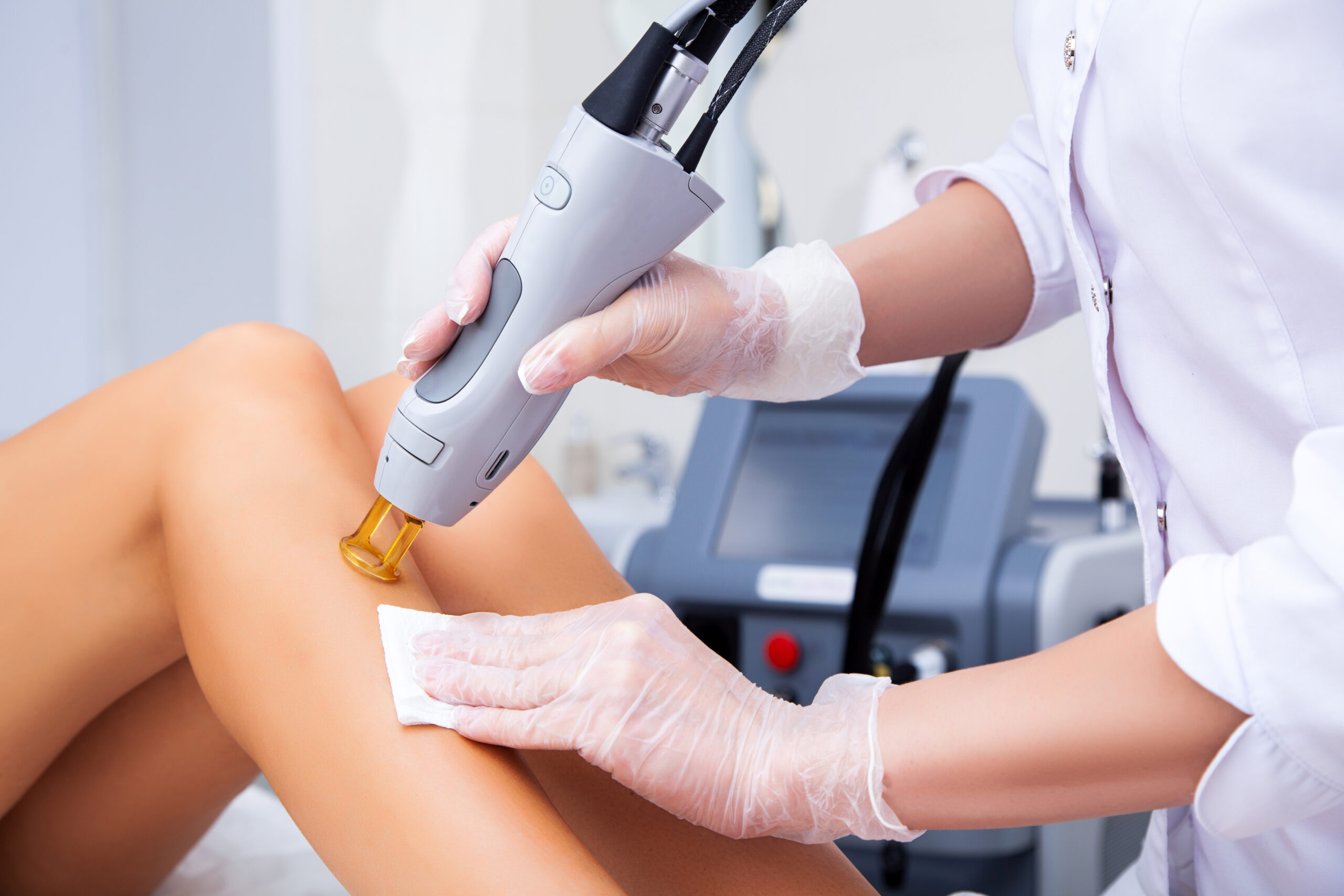
Is Laser Hair Removal Safe for Teenagers?
- Laser hair removal may be appropriate for some teenagers, but it should only be done after a professional consultation.
- There is no single universal age that applies to every teen. Readiness depends on maturity, hair type, skin tone, treatment area, sun exposure, health history, and parent or guardian consent.
- For teens who play sports, swim, or feel self-conscious about shaving, laser hair removal can reduce unwanted hair over time, but it requires a series of visits and careful sun protection.
What Age Can Teenagers Start Laser Hair Removal?
There is no universal minimum age for laser hair removal that applies to all teenagers. A 2024 review in Pediatric Dermatology found that hair removal methods appear generally safe and well-tolerated in children. However, researchers also emphasized clinical and ethical considerations when treating younger patients.
In real life, age is only one part of the decision. Many providers prefer to wait until puberty has started and hair growth is more established. Hormonal changes during adolescence can continue to affect hair growth, which means a teen may need more maintenance later than an adult would.
For minors, laser hair removal should always involve a parent or legal guardian. The teen should also be mature enough to understand the treatment, communicate discomfort, follow preparation and aftercare instructions, and clearly want the service for themselves.
Is Laser Hair Removal Safe for Teens?
Laser hair removal can be safe for appropriate teen patients when it’s performed by an experienced provider using settings chosen for the patient’s skin tone, hair color, treatment area, and health history.
It is still a medical-grade treatment, not a casual beauty service. The American Academy of Dermatology states that laser hair removal can be dangerous in inexperienced hands and that burns, scars, and permanent skin color changes can occur.
Possible side effects include temporary redness, warmth, swelling, tenderness, or irritation. Less common risks can include blistering, burns, pigment changes, infection, scarring, or changes in skin texture. This is why consultation, provider experience, correct settings, and aftercare matter so much, especially for younger skin and darker skin tones.
What Requirements Do Parents and Teens Need to Know?
Before teen laser hair removal, parents should expect a careful screening process. Requirements may include:
- Parent or legal guardian consent for minors
- A consultation before treatment
- Confirmation that the teen wants the treatment and feels comfortable
- Review of medications, allergies, skin conditions, and medical history
- No recent tanning, sunburn, or self-tanner on the treatment area
- Ability to follow prep and aftercare instructions
- Shaving before treatment as directed
- Avoiding waxing, plucking, threading, or tweezing before and during the series
- Protective eyewear during treatment
- Realistic expectations about long-term reduction, not guaranteed removal of every hair
For more sensitive treatment areas, the provider should explain privacy, draping, what will happen during the appointment, and whether a parent, guardian, or chaperone is required based on clinic policy.
Can Teen Athletes or Swimmers Get Laser Hair Removal?
Yes, teen athletes and swimmers often ask about laser hair removal because shaving can be inconvenient, irritating, or uncomfortable. Laser hair removal may help reduce ingrown hairs, razor bumps, and the daily maintenance that can become frustrating during sports seasons or summer activities.
Timing matters. After treatment, the skin may be red, warm, or sensitive for a short time. Teens may need to avoid direct sun, tanning, hot tubs, saunas, intense heat, and sometimes heavy sweating for a short period depending on provider instructions.
Sun exposure is one of the biggest planning issues. You need to protect treated skin from the sun after laser hair removal, avoid tanning beds, and follow aftercare instructions to reduce side effects.
For teens with outdoor sports, swim meets, beach trips, or summer vacations, fall or winter may be an easier time to start.
What Areas Can Teenagers Treat?
Common teen laser hair removal areas may include the underarms, legs, arms, upper lip, chin, back, or other areas where unwanted hair causes irritation or daily maintenance concerns.
Bikini line treatment may be appropriate for some teens, but it requires extra discussion around maturity, comfort, consent, privacy, and clinic policy. A consultation helps determine whether the requested area is appropriate and whether everyone understands the process before moving forward.
Very light blonde, white, gray, red, or extremely fine hair may not respond well because laser hair removal works by targeting pigment in the hair follicle. That’s why the treatment is most effective when the hair is in the growth stage, which is one reason multiple sessions are needed.
Does Laser Hair Removal Hurt?
Patients usually describe laser hair removal as quick warmth, a snapping sensation, or a prickly feeling on the skin. Sensation depends on the treated area, hair density, skin sensitivity, and laser settings.
Teens should be able to communicate clearly if something feels too uncomfortable. Your provider can explain what the treatment should feel like, what is normal, and when to speak up.
How Many Sessions Will a Teen Need?
Laser hair removal requires a series because hair grows in cycles. The laser is most effective when the hair is in the active growth phase, and not every hair is in that phase at the same time. That’s why most people need multiple treatments.
Many patients need around 6 to 8 sessions, although the exact number depends on the area treated, hair color, hair density, skin tone, hormones, consistency, and how the body responds.
Teenagers may need maintenance sessions later because hormones can continue changing through adolescence.
Is Laser Hair Removal Permanent for Teenagers?
Laser hair removal is a long-term hair reduction, not guaranteed permanent removal of every hair.
After a series, treated hair usually grows back lighter and less dense. Some areas may stay smooth for long periods, while others may need maintenance. For teens, maintenance is especially important to understand because hormonal changes can influence new hair growth over time.
When Should a Parent Wait?
Waiting may be the better choice if the teen doesn’t personally want the treatment, can’t follow aftercare, has a recent tan or sunburn, is about to leave for a sunny vacation, or has active irritation, infection, cuts, or open skin in the area.
It may also be better to wait or seek medical evaluation if hair growth is sudden, excessive, or connected with symptoms like irregular periods, acne changes, rapid weight changes, or other hormonal concerns.
Laser hair removal works best when the teen is ready, the timing is right, and the treatment can be done safely without rushing around sports, summer travel, or sun exposure.
What Happens at a Teen Laser Hair Removal Consultation?
A teen laser hair removal consultation is designed to answer both parent and teen questions. Your provider will review the treatment area, skin tone, hair color, sun exposure, medications, health history, shaving habits, sports schedule, and goals.
They will also confirm that the teen wants treatment, explain what the appointment feels like, review privacy and consent, discuss how many sessions may be needed, and provide preparation and aftercare instructions.
This step helps families make a thoughtful decision rather than guessing based on age alone.
Teen Laser Hair Removal Should Start With a Thoughtful Consultation
Laser hair removal can be a helpful option for some teenagers, especially when shaving, sports, swimming, ingrown hairs, or daily maintenance are becoming frustrating. The key is making sure the teen is ready, the parent understands the process, and the treatment is performed with the right safety screening and expectations.
To learn whether laser hair removal is appropriate for your teen, book a consultation at Kintsu MedSpa & Wellness in Berkeley or Davis.
FAQs
Can my teen get laser hair removal if they have acne?
It depends on where the acne is and whether the skin is actively inflamed. Laser hair removal may not be appropriate over open breakouts, irritated skin, infection, or active cystic acne in the treatment area. Your provider should also review any acne medications or prescription skincare first because some products can make the skin more sensitive.
Is laser hair removal safe for teens with darker skin tones?
Laser hair removal can be performed on a range of skin tones, but the settings and technology matter. Darker skin tones may have a higher risk of pigment changes if the wrong settings are used, so a professional skin evaluation is especially important before treatment.
Should my teen do a test spot first?
A test spot may be recommended for some teens, especially if they have sensitive skin, a darker skin tone, recent irritation, or anxiety about how treatment will feel. It can help the provider see how the skin responds before treating a larger area.
Can my teen use deodorant, lotion, or self-tanner before laser hair removal?
The treatment area should usually be clean and free of lotion, deodorant, oils, makeup, or self-tanner unless your provider gives different instructions. Self-tanner and recent tanning are especially important to avoid because they can interfere with safe laser settings.
What should my teen wear to a laser hair removal appointment?
Comfortable clothing is best. Choose loose clothing that will not rub the treated area afterward. For underarms, a tank top may be helpful. For legs, shorts or loose pants may be easier. Your provider will explain draping and privacy before treatment begins.
What if my teen is embarrassed or nervous?
That’s very normal. A consultation gives your teen time to ask questions, understand what will happen, and decide whether they feel comfortable. The teen should actively want the treatment and feel safe communicating with the provider throughout the visit.